Sustainable Office Design: Eco-Friendly Materials and Energy-Saving Solutions
30-04-2025 | 5m read

2. Why Sustainability Matters in Office Design
3. Eco-Friendly Materials for Modern Workspaces
5. 1. Recycled and Reclaimed Materials
6. 2. Low-VOC Paints and Finishes
8. 4. Locally Sourced Materials
9. Energy-Saving Design Solutions
10. Designing for Natural Comfort and Wellbeing
13. 3. Renewable Energy Integration
14. 4. Smart Controls and Automation
16. 2. Air Quality and Ventilation
18. Sustainable Furniture and Fixtures
19. Waste Reduction and Circular Design
Sustainability is no longer a trend—it’s a necessity. As businesses strive to reduce their environmental footprint, sustainable office design has become central to modern workplace planning.
A thoughtfully designed eco-friendly office not only supports the planet but also promotes employee wellbeing, creativity, and long-term cost savings.
At Morpho Dimensions, we believe that every workspace can be a model of sustainability. From material selection to energy optimization, our goal is to design offices that are both beautiful and responsible.
Let’s explore how to create a green workspace that works for your team and the planet.
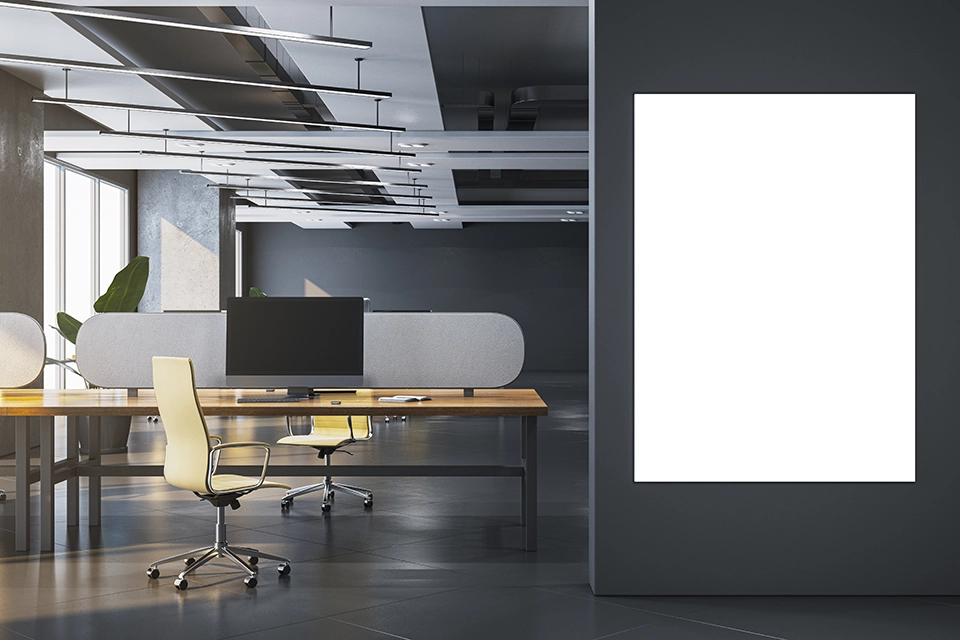
A sustainable office does more than look good—it actively reduces waste, conserves energy, and improves indoor air quality.
Lower operational costs: Energy-efficient systems reduce utility bills.
Healthier workplaces: Eco-friendly materials minimize toxins and allergens.
Enhanced brand image: Sustainability appeals to employees, clients, and investors.
Future readiness: Green certifications (like LEED or WELL) boost property value and compliance.
Designing sustainably isn’t just an ethical choice—it’s a strategic business decision.
The materials you choose play a huge role in a sustainable office design.
Use recycled steel, reclaimed wood, or repurposed furniture to reduce waste and preserve resources.
Example: Reclaimed wood desks not only save trees but also add character and warmth to the space.
Volatile organic compounds (VOCs) contribute to poor indoor air quality. Opt for low-VOC or VOC-free paints, sealants, and adhesives to keep the environment healthy.
Bamboo, cork, and linoleum are durable, renewable, and stylish flooring options. They bring natural textures into your workspace while maintaining eco-conscious standards.
Reduce carbon emissions from transportation by using locally produced materials whenever possible. Supporting local artisans also strengthens community connections.
An energy-efficient office saves resources and money while reducing its environmental impact.
Install LED lighting with motion sensors and daylight sensors to minimize energy waste.
Use natural daylight strategically—large windows and skylights can cut lighting costs significantly.
Heating, ventilation, and air conditioning systems consume a large share of office energy. Choose energy-rated HVAC units, use zoning systems, and maintain regular filter cleaning to improve efficiency.
Consider installing solar panels, geothermal heating, or purchasing green energy credits to offset energy consumption.
IoT-enabled devices can monitor occupancy, lighting, and temperature—automatically adjusting for efficiency and comfort.
Sustainable design isn’t just about saving energy—it’s also about creating healthier and more human-centered spaces.
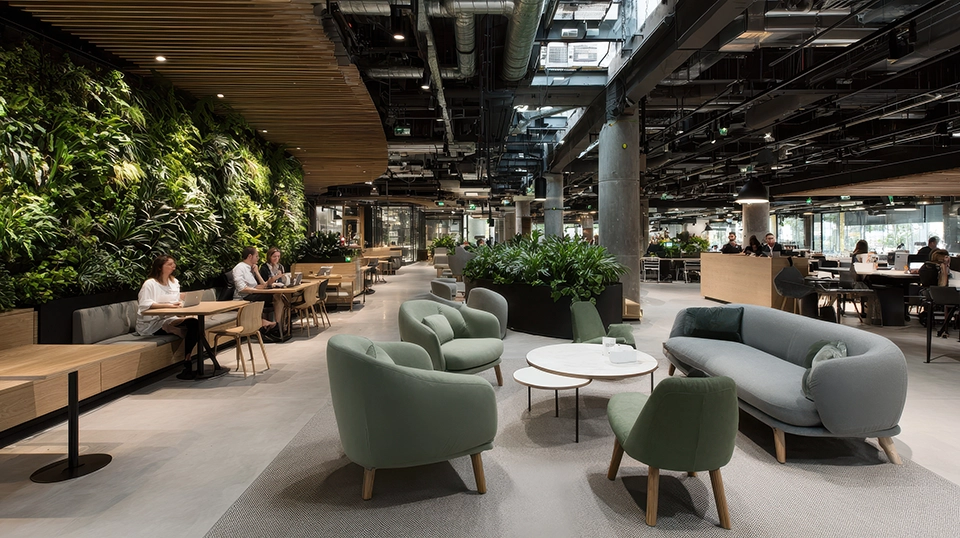
Bring nature indoors through plants, living walls, and natural textures. Studies show that biophilic design improves mood, reduces stress, and boosts focus.
Use green-certified filters, air-purifying plants, and smart ventilation systems to maintain clean air circulation.
Combine eco-friendly design with ergonomic furniture to create a balanced, supportive workspace that enhances productivity.

Modular furniture: Easily adaptable to layout changes—reducing future waste.
Recycled metal and wood desks: Durable and stylish with minimal environmental impact.
Cradle-to-cradle certified products: Designed for recyclability at the end of their lifecycle.
At Morpho Dimensions, we prioritize furniture and materials that meet global sustainability standards while delivering timeless design.
Sustainable design extends beyond the initial build—it’s about long-term impact.
Implement recycling stations and composting programs in break areas.
Reuse existing assets wherever possible during renovations.
Design for disassembly—choose materials and furniture that can be repurposed or recycled.
A circular design philosophy ensures that every element of your workspace continues to serve a purpose even after its first lifecycle.
When redesigning offices, Morpho Dimensions follows a “Green Transformation Framework”:
Assess: Evaluate the current workspace’s energy use and materials.
Design: Develop eco-friendly layouts with sustainable finishes.
Implement: Source ethical materials and install efficient systems.
Optimize: Monitor and improve energy and air quality over time.
This process ensures a measurable, lasting environmental impact and a healthier, happier workforce.
Sustainable office design is more than a visual choice—it’s a commitment to better living and smarter business. By choosing eco-friendly materials and energy-saving solutions, companies can reduce their environmental footprint while creating inspiring, productive spaces.
At Morpho Dimensions, we help organizations design work environments that are as sustainable as they are stunning—a reflection of innovation, responsibility, and care for the future.
Ready to make your workspace greener?
Let Morpho Dimensions help you create an eco-friendly office that inspires both people and the planet.
Visit: www.morphodimensions.com
Conference rooms are no longer just enclosed boxes with long tables and static screens. In the era of hybrid teams,...
Conference rooms are no longer just enclosed boxes with long tables and static screens. In the era of hybrid teams,...
Conference rooms are no longer just enclosed boxes with long tables and static screens. In the era of hybrid teams,...
Conference rooms are no longer just enclosed boxes with long tables and static screens. In the era of hybrid teams,...
Conference rooms are no longer just enclosed boxes with long tables and static screens. In the era of hybrid teams,...
Conference rooms are no longer just enclosed boxes with long tables and static screens. In the era of hybrid teams,...