Zero-Waste Interiors: How to Design for Longevity and Circularity
30-04-2025 | 5m read
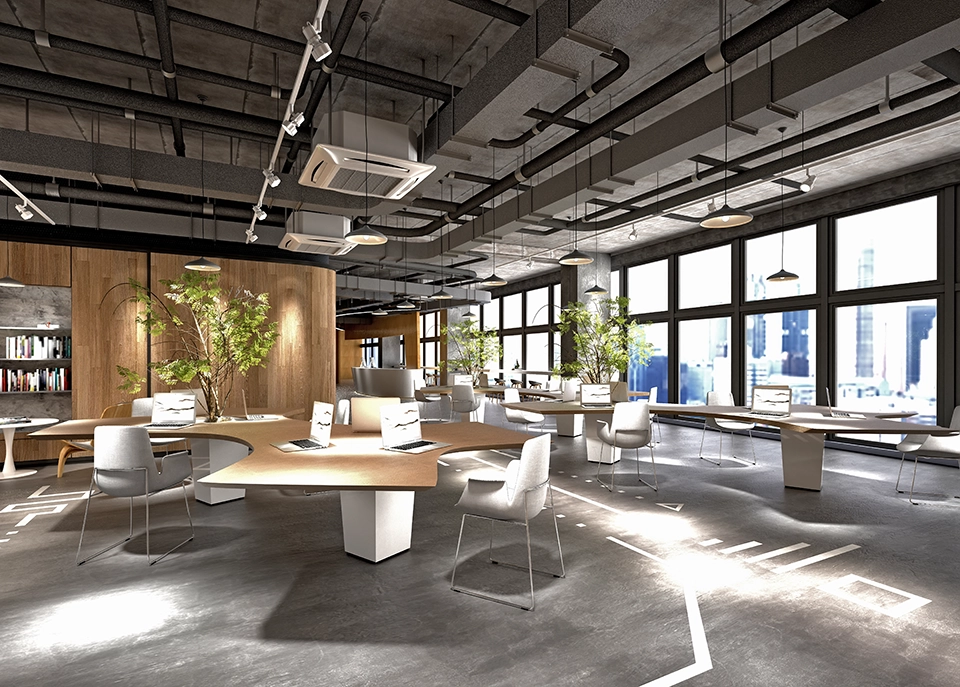

4. Key Principles of Zero-Waste Design:
7. Modular and Flexible Furniture Systems
8. Material Mindfulness: Choosing Responsibly
9. How to Apply Circular Design:
10. Benefits of Modular Design:
13. Waste-Efficient Construction and Renovation
14. Designing for Adaptability and Change
15. Zero-Waste Construction Tips:
17. The Morpho Dimensions Approach to Circular Design
In a world where resources are finite, design can no longer follow a “make, use, dispose” mindset. Instead, the future belongs to circular and zero-waste interiors—spaces designed for longevity, adaptability, and sustainability.
At Morpho Dimensions, we believe that great design doesn’t just serve people; it also serves the planet. By embracing circular design principles, businesses can minimize waste, extend the life of materials, and create spaces that evolve gracefully over time.
Let’s explore how zero-waste interior design works—and how your workplace can become part of the circular revolution.
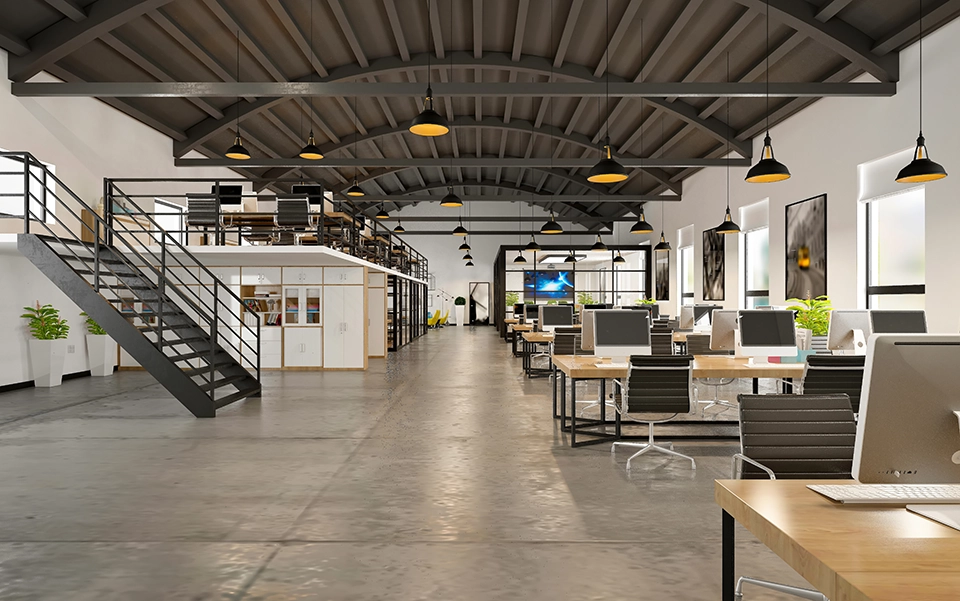
Zero-waste design focuses on eliminating waste throughout the entire lifecycle of a space—from construction to maintenance and eventual renovation.
Instead of discarding materials when trends or needs change, designers plan for reuse, repair, or recycling.
Design for longevity: Create durable spaces and products that last.
Design for flexibility: Adapt layouts for future needs.
Design for disassembly: Use materials and systems that can be easily taken apart and reused.
Design for circularity: Keep materials circulating within a closed-loop system.
In short, zero-waste interiors are built to evolve—not to expire.
Longevity is at the heart of sustainable interiors. The longer a design or material lasts, the lower its environmental impact.
Timeless Aesthetics: Choose classic designs that won’t look dated in a few years.
High-Quality Materials: Invest in durable, well-made furnishings that withstand daily use.
Replaceable Components: Opt for modular systems that allow updates without full replacements.
Maintenance Plans: Design with easy-to-clean, repairable surfaces and finishes.
At Morpho Dimensions, we create environments that age gracefully—spaces that can grow and adapt with your business.
A circular design approach keeps materials in use for as long as possible through reuse, refurbishment, and recycling.
Use Recycled or Reclaimed Materials: Reclaimed wood, recycled metals, and reupholstered furniture save resources.
Choose Cradle-to-Cradle Certified Products: These materials are designed for continuous reuse.
Implement Take-Back Programs: Partner with manufacturers who reclaim products at the end of their lifecycle.
Create Material Passports: Document material origins and recyclability for future renovations.
Circularity transforms waste into opportunity, turning design into a regenerative process rather than a consumptive one.
Traditional interiors are often static and disposable. In contrast, modular systems support reconfiguration, repair, and reuse.
Allows easy rearrangement to suit evolving team needs.
Reduces waste during relocation or expansion.
Simplifies maintenance and upgrades—replace only what’s necessary.
For example, Morpho Dimensions frequently incorporates interchangeable furniture panels, movable partitions, and modular flooring, enabling clients to adapt spaces without starting from scratch.
Selecting sustainable materials is essential to a zero-waste strategy.
Use Natural, Renewable Materials: Bamboo, cork, and FSC-certified wood are excellent options.
Avoid Composite or Bonded Materials: These are harder to separate and recycle.
Select Low-VOC Finishes: Healthier for both people and the environment.
Source Locally: Reduces transportation emissions and supports local economies.
Every material has a story—choosing responsibly ensures that story contributes positively to both people and planet.

Zero-waste interiors celebrate creativity through upcycling—repurposing old materials into something new.
Examples include:
Converting reclaimed wood into custom furniture.
Transforming leftover stone or tile into accent details.
Reupholstering old chairs instead of replacing them.
At Morpho Dimensions, we see upcycling as both a design statement and a sustainability solution—one that brings authenticity and character to modern workplaces.
The construction phase often generates the most waste. By planning ahead, you can drastically reduce the amount of material sent to landfills.
Plan with precision: Use 3D modeling to minimize cutting waste.
Separate and label waste: For recycling or reuse on-site.
Reuse materials from previous spaces: Furniture, lighting, and even partitions can often be repurposed.
Donate or resell usable items: Extend the lifecycle of materials beyond your project.
Sustainability begins long before the final design reveal—it starts on the construction floor.
One of the most effective zero-waste strategies is designing spaces that evolve.
Multi-functional furniture: Desks that convert into collaboration tables or storage units.
Reconfigurable layouts: Moveable walls and partitions to adapt to new workflows.
Scalable systems: Infrastructure that supports technological and spatial upgrades without waste.
Designing for change keeps interiors relevant, reducing the need for frequent renovations.
At Morpho Dimensions, sustainability is not a feature—it’s a foundation.
Our Circular Design Framework focuses on four key principles:
Reduce: Eliminate waste through efficient design and planning.
Reuse: Repurpose existing materials and furnishings.
Recycle: Choose products that can re-enter material cycles.
Rethink: Challenge traditional linear models with long-term, adaptive solutions.
We help organizations transform their interiors into living systems—designed to last, evolve, and regenerate.
For one of our corporate clients, Morpho Dimensions redesigned a 10,000 sq ft workspace with a zero-waste philosophy.
70% of existing furniture was reused or refurbished.
Flooring was made from 100% recycled materials.
Modular partitions allowed flexible team configurations.
A take-back program ensured all future waste would be recycled.
The result: a stunning, functional office that cut waste by 65% while achieving LEED Gold certification.
Designing for zero waste and circularity is more than an environmental choice—it’s a business advantage. By creating interiors that last longer, adapt better, and waste less, you invest in a healthier future for both your company and the planet.
At Morpho Dimensions, we’re redefining what sustainable design means—one mindful material, one adaptive space, and one circular solution at a time.
Ready to embrace zero-waste design?
Partner with Morpho Dimensions to create interiors built for longevity, adaptability, and circular success.
Visit: www.morphodimensions.com
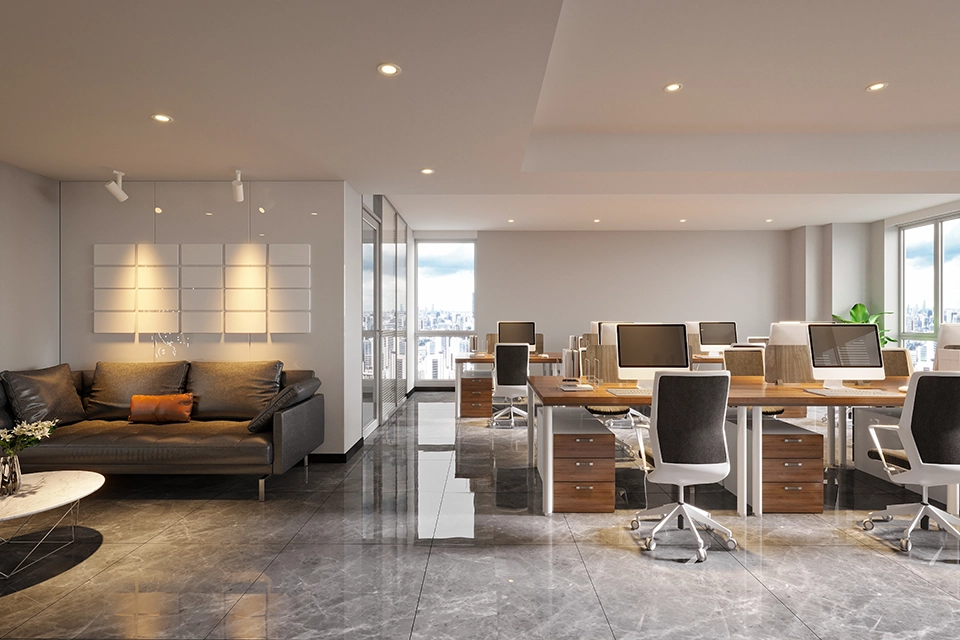
Conference rooms are no longer just enclosed boxes with long tables and static screens. In the era of hybrid teams,...
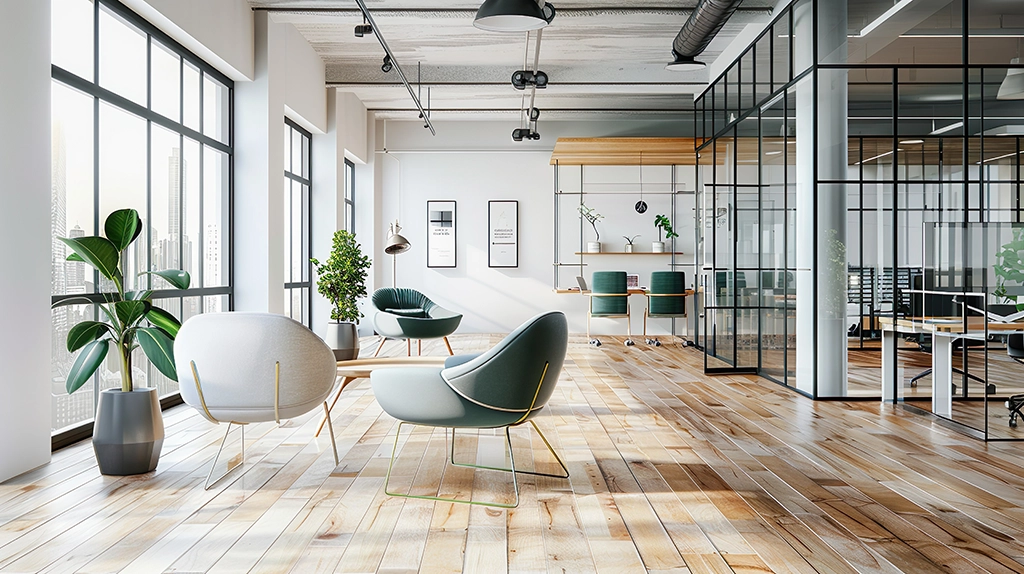
Conference rooms are no longer just enclosed boxes with long tables and static screens. In the era of hybrid teams,...
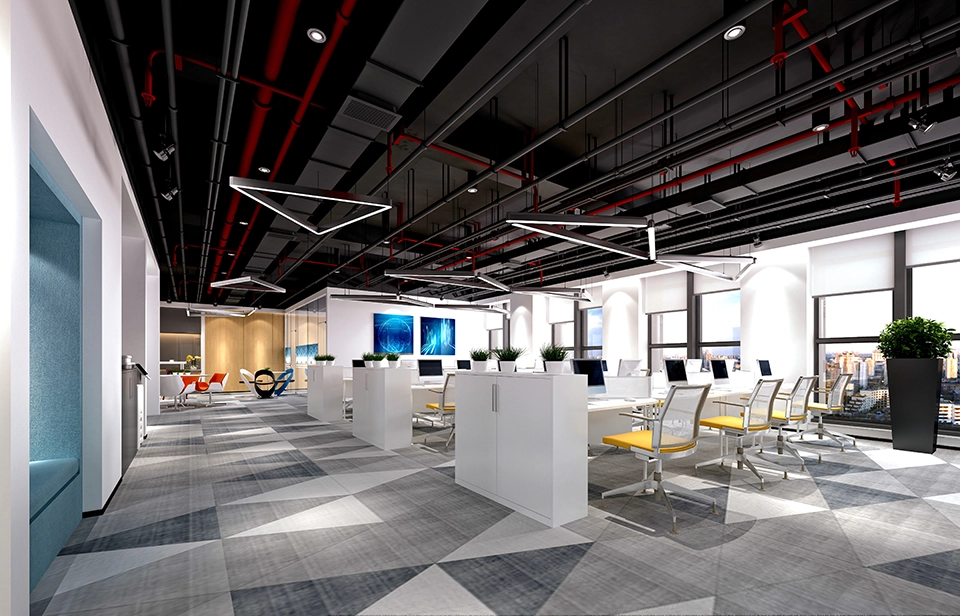
Conference rooms are no longer just enclosed boxes with long tables and static screens. In the era of hybrid teams,...
Conference rooms are no longer just enclosed boxes with long tables and static screens. In the era of hybrid teams,...
Conference rooms are no longer just enclosed boxes with long tables and static screens. In the era of hybrid teams,...
Conference rooms are no longer just enclosed boxes with long tables and static screens. In the era of hybrid teams,...