Discover the Link Between Great Design and Better Workplace Health
30-04-2025 | 5m read
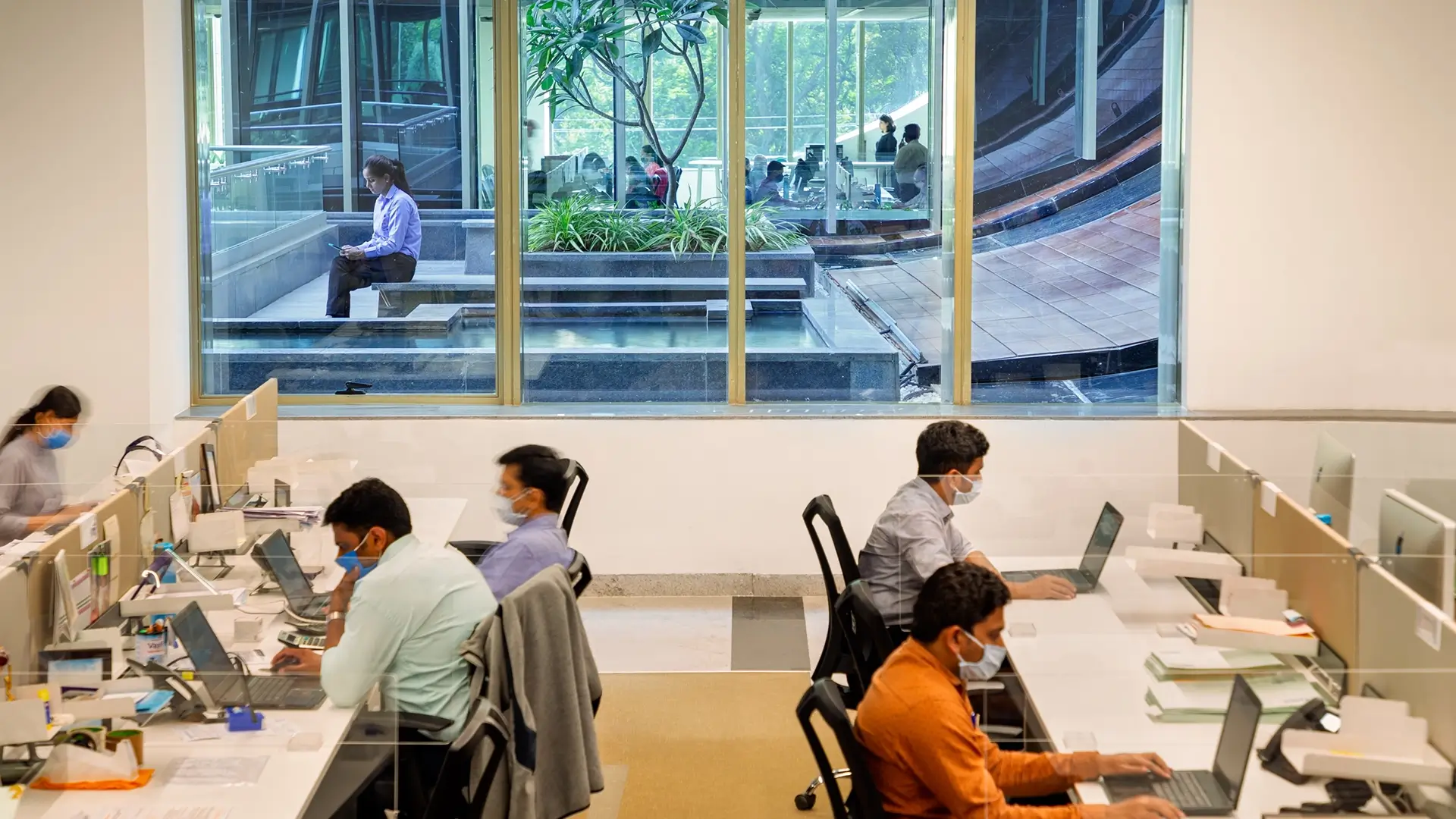

2. Why Workplace Health Starts with Design
3. Ergonomic Design Reduces Physical Strain
4. Natural Light Supports Mental and Physical Well-Being
5. Indoor Air Quality and Material Choices Matter
7. Design Benefits of Natural Light:
8. Health-Focused Design Choices:
9. Acoustic Comfort Reduces Stress and Fatigue
10. Biophilic Design Connects People with Nature
11. Acoustic Design Solutions:
13. Layouts That Encourage Movement
14. Psychological Comfort Through Spatial Design
Workplace health is no longer limited to policies and wellness programs—it is deeply influenced by the spaces people work in every day. Thoughtful design has the power to reduce stress, prevent fatigue, and support both physical and mental well-being.
At Morpho Dimensions, we believe great design is not just about how a space looks, but how it feels, functions, and supports human health. Here’s how intelligent workplace design directly contributes to healthier, happier, and more productive teams.
Employees spend a significant part of their day indoors. Poor lighting, uncomfortable furniture, noise, and lack of air quality can quietly impact health over time.
Well-designed workplaces help:
Reduce physical strain and discomfort
Support mental clarity and focus
Minimize stress and burnout
Improve overall employee satisfaction and retention
Healthy spaces lead to healthier people—and better business outcomes.
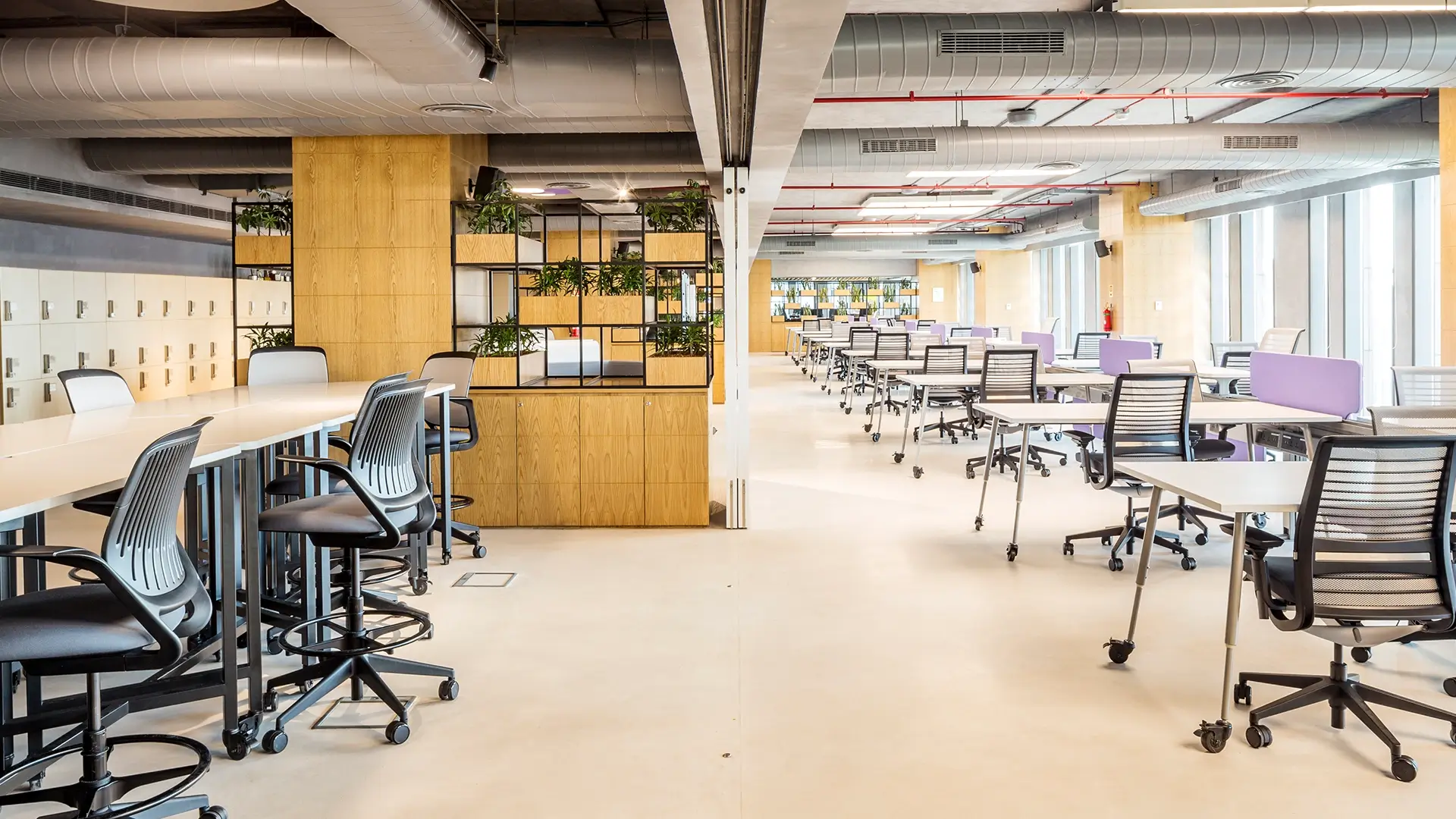
One of the most direct links between design and health is ergonomics.
Ergonomic chairs and adjustable desks
Proper screen heights and seating posture
Thoughtful workstation spacing
These solutions reduce fatigue and help prevent long-term musculoskeletal issues.
Access to daylight has a powerful impact on health.
Improves mood and energy levels
Supports circadian rhythms and sleep quality
Reduces eye strain and headaches
Designing layouts that maximize daylight exposure creates healthier, more comfortable work environments.
The quality of indoor air affects both short-term comfort and long-term health.
Low-VOC paints, finishes, and adhesives
Proper ventilation and air circulation
Natural and non-toxic materials
Cleaner air leads to fewer health complaints and improved focus.
Noise is one of the most overlooked workplace stressors.
Sound-absorbing panels and materials
Quiet zones and phone booths
Strategic zoning to separate noisy and focused areas
A well-balanced acoustic environment supports concentration and mental well-being.
Biophilic design integrates natural elements into the workspace.
Reduced stress and anxiety
Improved creativity and cognitive performance
Better air quality and visual comfort
Even simple additions—plants, natural textures, or outdoor views—can make a meaningful difference.

Sedentary work habits negatively impact health.
Centralized amenities that encourage walking
Standing meeting areas
Flexible spaces that promote mobility
Designing for movement helps improve circulation, posture, and energy levels.
Design influences how people feel emotionally.
Clear wayfinding and uncluttered layouts
Balanced color palettes
Comfortable social and quiet spaces
A sense of control, comfort, and belonging supports mental health at work.
Great design is a powerful wellness tool. When workplaces are designed with health in mind, employees feel better, perform better, and stay engaged longer.
Investing in thoughtful design isn’t just a design choice—it’s a commitment to people.
Healthy spaces create healthy teams.
Conference rooms are no longer just enclosed boxes with long tables and static screens. In the era of hybrid teams,...
Conference rooms are no longer just enclosed boxes with long tables and static screens. In the era of hybrid teams,...
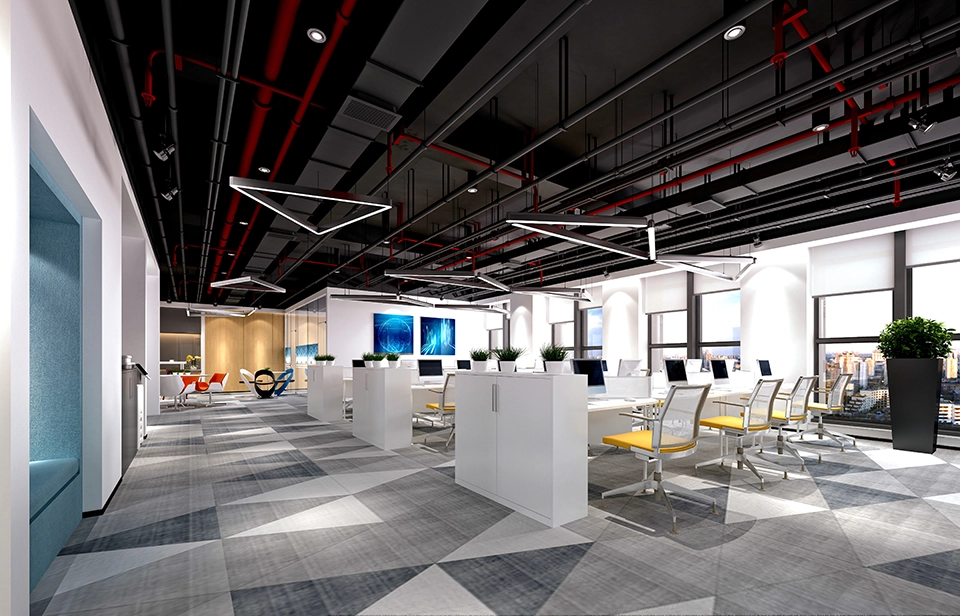
Conference rooms are no longer just enclosed boxes with long tables and static screens. In the era of hybrid teams,...
Conference rooms are no longer just enclosed boxes with long tables and static screens. In the era of hybrid teams,...
Conference rooms are no longer just enclosed boxes with long tables and static screens. In the era of hybrid teams,...
Conference rooms are no longer just enclosed boxes with long tables and static screens. In the era of hybrid teams,...