Open vs. Closed Office Layouts: Which Works Best for Your Team?
30-04-2025 | 5m read
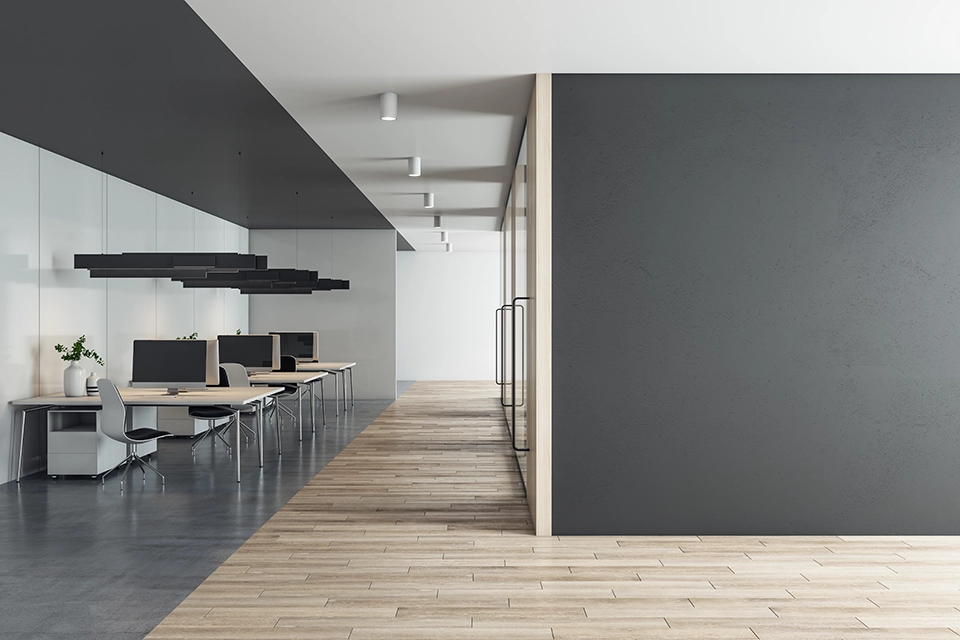

The workspace you design has a direct impact on creativity, communication, and overall employee satisfaction. As modern businesses evolve, the debate between open vs. closed office layouts continues to spark discussion among leaders, designers, and employees alike.
At Morpho Dimensions, we specialize in designing environments that balance aesthetics, functionality, and team dynamics. Let’s explore the advantages, challenges, and best-fit scenarios for each office layout—and help you decide which one works best for your team.
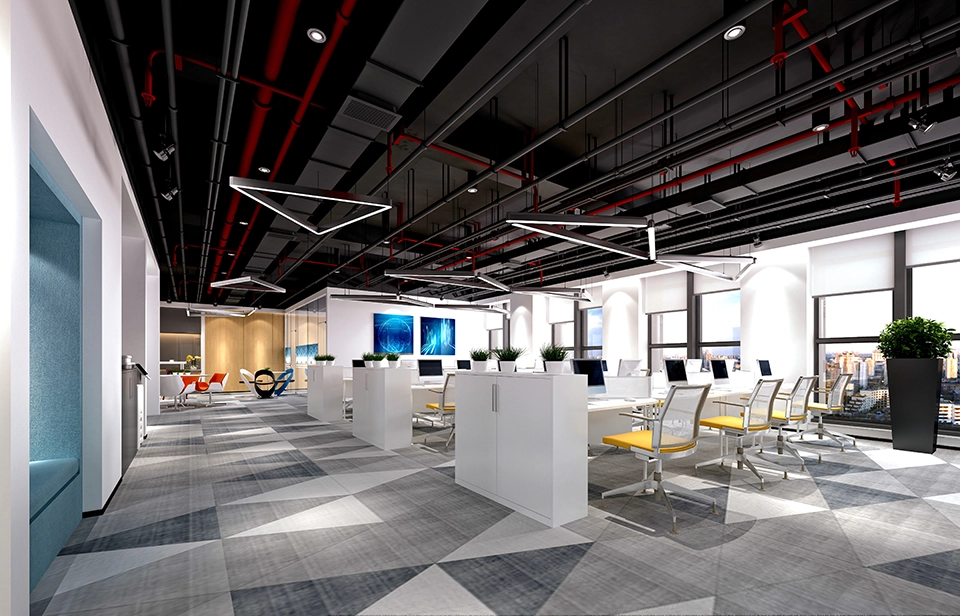
An open office layout eliminates physical barriers like walls and cubicles, creating shared spaces that foster interaction and visibility.
Common features include:
Shared desks or bench-style seating
Minimal partitions
Collaborative zones and breakout areas
A closed office layout emphasizes privacy and structure, featuring individual offices or high-partition cubicles.
Common features include:
Enclosed workspaces
Defined personal zones
Soundproofing and privacy elements
Enhanced Collaboration:
Teams can easily communicate, brainstorm, and share ideas in real time.
Improved Transparency:
A flat workspace structure encourages openness and accountability.
Cost-Effective:
Open spaces reduce the need for partitions and doors, lowering design and construction costs.
Flexible Space Use:
Easily adaptable for team expansions or rearrangements.
Noise & Distractions:
Constant movement and chatter can hinder focus.
Lack of Privacy:
Employees may feel exposed or uncomfortable discussing sensitive matters.
Spread of Illness:
Close proximity can increase health risks in large teams.
Privacy & Focus:
Ideal for tasks requiring deep concentration or confidentiality.
Personalized Workspaces:
Employees can customize their environment for comfort and productivity.
Reduced Noise Levels:
Quiet zones help minimize distractions and enhance efficiency.
Reduced Collaboration:
Physical barriers may limit spontaneous communication.
Higher Setup Costs:
Enclosed spaces require more materials, partitions, and HVAC systems.
Less Flexibility:
Harder to adapt or rearrange compared to open layouts.

The right choice depends on your team’s culture, workflow, and company goals.
| Team Type | Recommended Layout | Why |
|---|---|---|
| Creative / Marketing | Open Office | Encourages idea exchange and collaboration. |
| Finance / Legal | Closed Office | Supports focus and confidentiality. |
| Tech / Development | Hybrid Office | Combines collaboration spaces with quiet zones. |
| Executive Teams | Closed Office | Offers privacy for strategic discussions. |
| Startups | Open Office | Maximizes space and fosters team energy. |
Many modern companies are embracing hybrid layouts, blending the best of both worlds.
These designs feature open areas for collaboration alongside quiet pods, enclosed rooms, or acoustic booths for focused work.
At Morpho Dimensions, we specialize in modular workspace design, allowing businesses to evolve their environments as teams grow and workflows change.
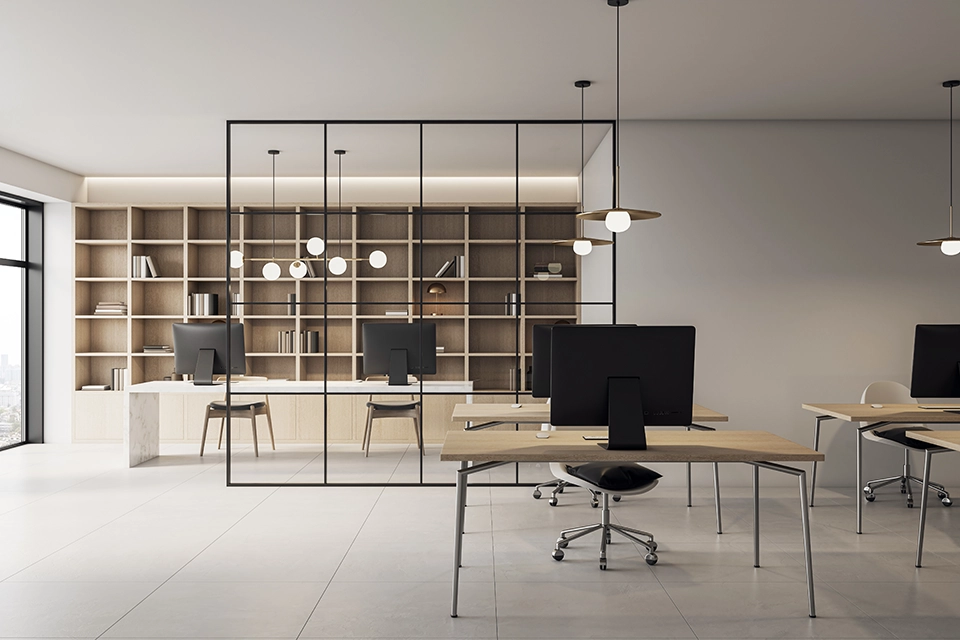
Understand Team Needs: Survey employees to identify what helps them work best.
Balance Collaboration and Privacy: Design zones for both teamwork and quiet focus.
Consider Flexibility: Choose modular furniture and partitions that can adapt.
Integrate Technology: Ensure seamless access to power, connectivity, and digital tools.
Prioritize Wellbeing: Incorporate natural light, ergonomic furniture, and green elements.
There’s no one-size-fits-all solution when it comes to office layouts. The best workspace design aligns with your company’s values, workflow, and people. Whether you prefer an open, closed, or hybrid model, thoughtful design ensures that your team thrives.
At Morpho Dimensions, we craft office spaces that inspire creativity, focus, and growth—tailored to your team’s unique dynamics.
Ready to redesign your workspace?
Contact Morpho Dimensions today for a personalized office layout consultation.
Visit: www.morphodimensions.com
Conference rooms are no longer just enclosed boxes with long tables and static screens. In the era of hybrid teams,...
Conference rooms are no longer just enclosed boxes with long tables and static screens. In the era of hybrid teams,...
Conference rooms are no longer just enclosed boxes with long tables and static screens. In the era of hybrid teams,...
Conference rooms are no longer just enclosed boxes with long tables and static screens. In the era of hybrid teams,...
Conference rooms are no longer just enclosed boxes with long tables and static screens. In the era of hybrid teams,...
Conference rooms are no longer just enclosed boxes with long tables and static screens. In the era of hybrid teams,...