Sustainable Workspace Ideas That Save Money and the Planet | Morpho Dimensions
30-04-2025 | 5m read

2. Why Sustainable Workspaces Matter
3. Energy-Efficient Lighting Solutions
4. Sustainable Furniture and Modular Design
5. Use Eco-Friendly Materials and Finishes
9. Reduce Waste with Smart Planning
10. Water-Saving Fixtures and Practices
11. Waste-Reducing Strategies:
13. Indoor Plants and Biophilic Design
14. Smart Technology for Smarter Offices
17. Encourage Sustainable Workplace Behavior
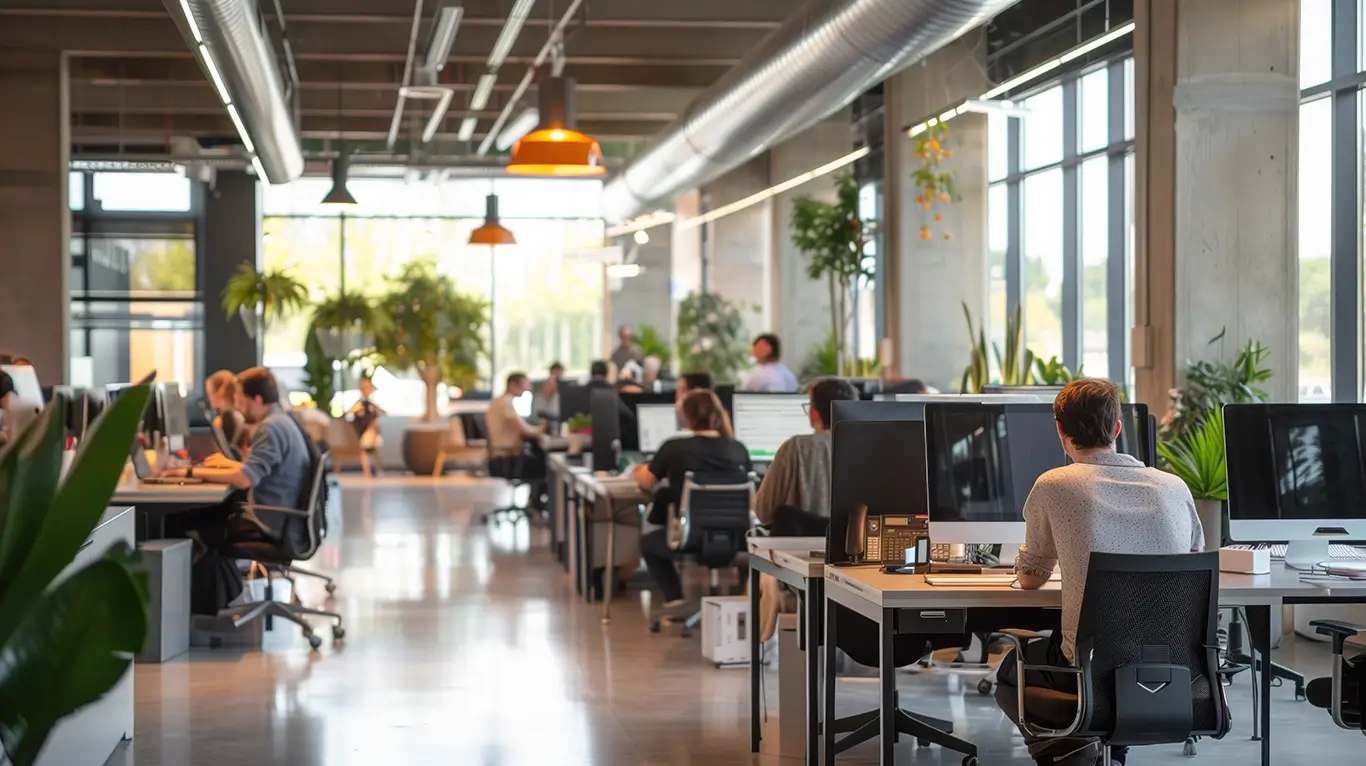
In today’s evolving work culture, sustainability is no longer a trend—it’s a responsibility. Workspaces that prioritize eco-friendly design not only reduce environmental impact but also lower operational costs, improve employee well-being, and future-proof businesses. At Morpho Dimensions, we believe that smart design can balance aesthetics, functionality, and sustainability without compromise.
This blog explores practical, cost-effective sustainable workspace ideas that benefit both your bottom line and the planet.
Traditional offices consume large amounts of energy, water, and raw materials. From inefficient lighting to disposable furniture, these choices add up—financially and environmentally.
A sustainable workspace:
Reduces energy and utility costs
Minimizes waste and carbon footprint
Enhances productivity and employee health
Strengthens brand credibility and ESG goals
Sustainability isn’t about spending more—it’s about designing smarter.
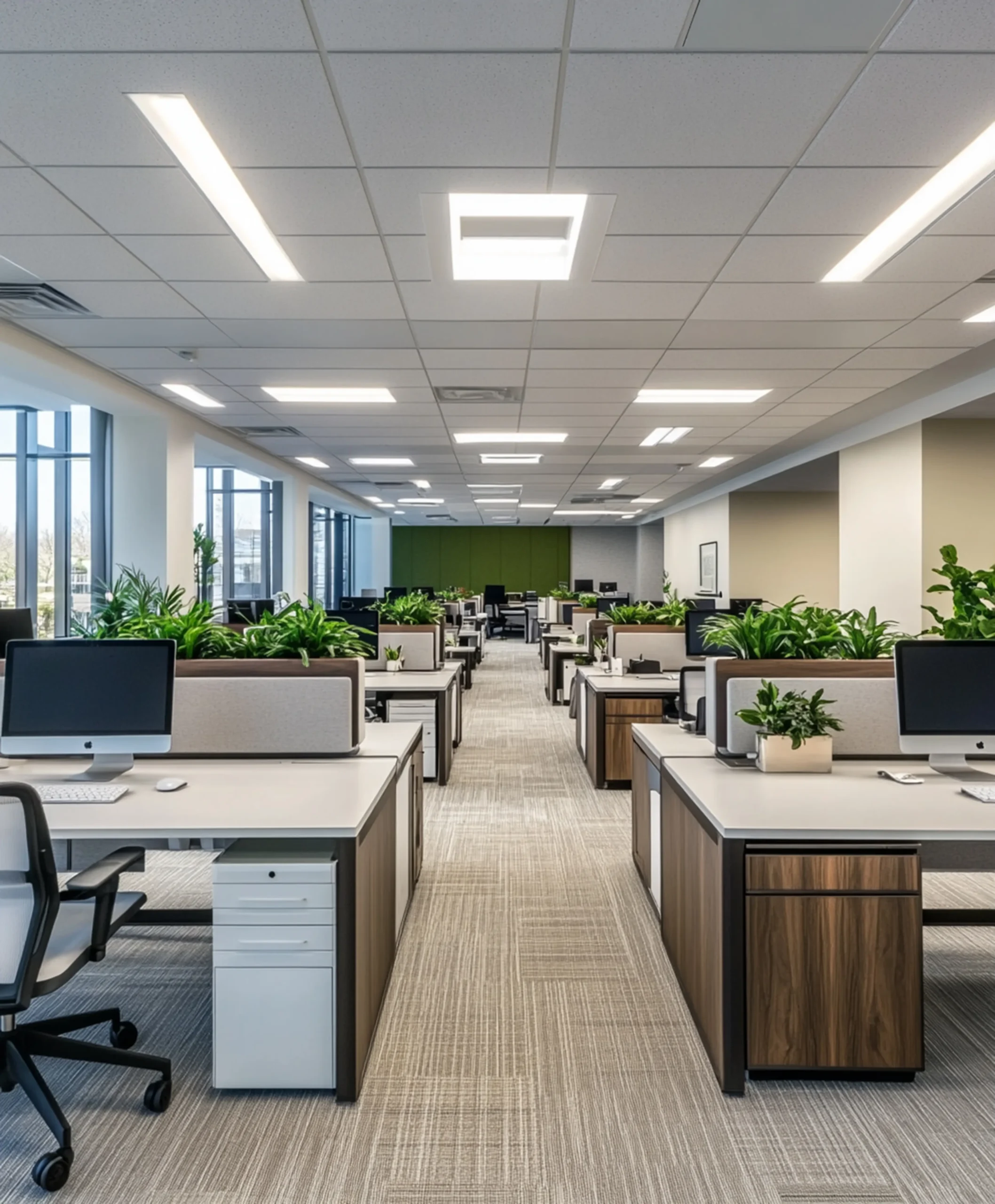
Lighting accounts for a significant portion of office energy use.
LED lighting: Uses up to 75% less energy and lasts longer than traditional bulbs
Motion sensors and timers: Prevent unnecessary energy usage
Daylight optimization: Designing layouts that maximize natural light reduces dependency on artificial lighting
💡 Cost benefit: Lower electricity bills and reduced maintenance expenses.
Furniture plays a major role in workspace sustainability.
Furniture made from recycled, reclaimed, or FSC-certified wood
Modular and flexible furniture systems that adapt to growth
Ergonomic designs that reduce health-related productivity losses
Morpho Dimensions emphasizes long-lasting, adaptable designs that reduce the need for frequent replacements—saving money over time.
Many conventional materials contain harmful chemicals that affect indoor air quality.
Low-VOC paints and adhesives
Natural materials like bamboo, cork, and recycled metal
Non-toxic flooring options such as linoleum or reclaimed wood
🌿 Result: Healthier indoor environments and reduced long-term maintenance costs.
Sustainability starts at the design stage.
Digital-first workflows to cut paper usage
Clearly labeled recycling and compost stations
Furniture and partitions designed for disassembly and reuse
Designing with waste reduction in mind helps businesses save on disposal costs while supporting circular design principles.
Even small changes can make a big difference.
Low-flow faucets and dual-flush toilets
Sensor-based taps to reduce water waste
Native or low-maintenance indoor plants
🚿 Impact: Reduced water bills and improved sustainability metrics.

Biophilic design connects people with nature—and it’s more than just aesthetics.
Improves air quality
Reduces stress and boosts productivity
Enhances brand image and employee satisfaction
Plants are a low-cost, high-impact addition to any sustainable workspace.
Technology enables efficiency when used thoughtfully.
Energy-monitoring systems
Smart thermostats and HVAC zoning
Automated lighting and climate controls
Long-term gain: Data-driven decisions that continuously reduce costs and emissions.
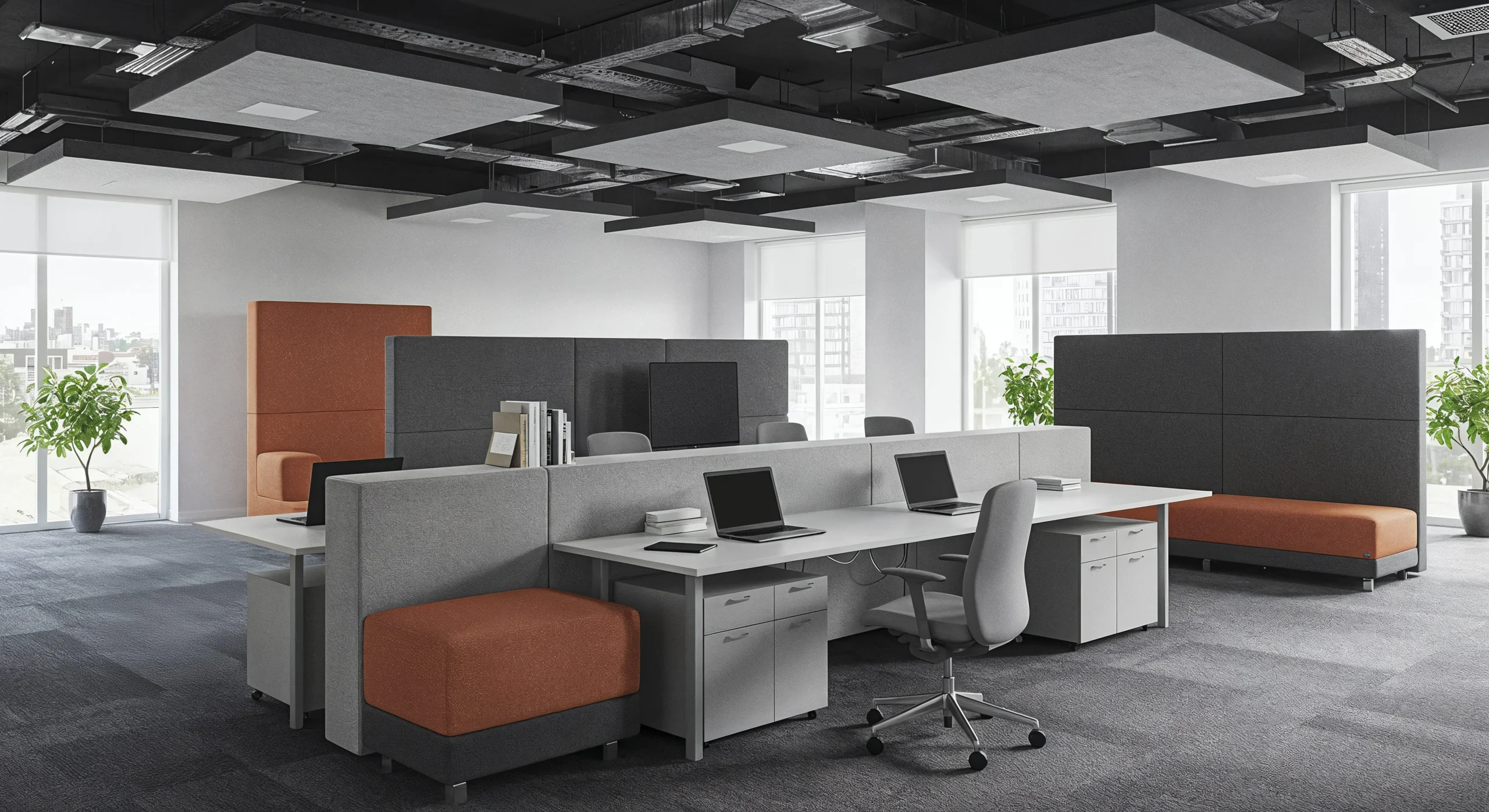
Design sets the foundation, but people complete the system.
Encourage reusable bottles and cups
Promote remote or hybrid work to reduce commuting emissions
Educate teams about sustainable practices
When sustainability becomes part of workplace culture, its impact multiplies.
A sustainable workspace isn’t an expense—it’s an investment in long-term efficiency, employee well-being, and planetary health. By making intentional design choices today, businesses can reduce costs, enhance performance, and contribute to a more sustainable future.
Conference rooms are no longer just enclosed boxes with long tables and static screens. In the era of hybrid teams,...
Conference rooms are no longer just enclosed boxes with long tables and static screens. In the era of hybrid teams,...
Conference rooms are no longer just enclosed boxes with long tables and static screens. In the era of hybrid teams,...
Conference rooms are no longer just enclosed boxes with long tables and static screens. In the era of hybrid teams,...
Conference rooms are no longer just enclosed boxes with long tables and static screens. In the era of hybrid teams,...
Conference rooms are no longer just enclosed boxes with long tables and static screens. In the era of hybrid teams,...